How to Handle Exam Day Anxiety and Stay Calm Under Pressure
Most exam-day anxiety comes from unfamiliarity rather than the questions, which is why timed mocks do more for it than being told to stay calm.
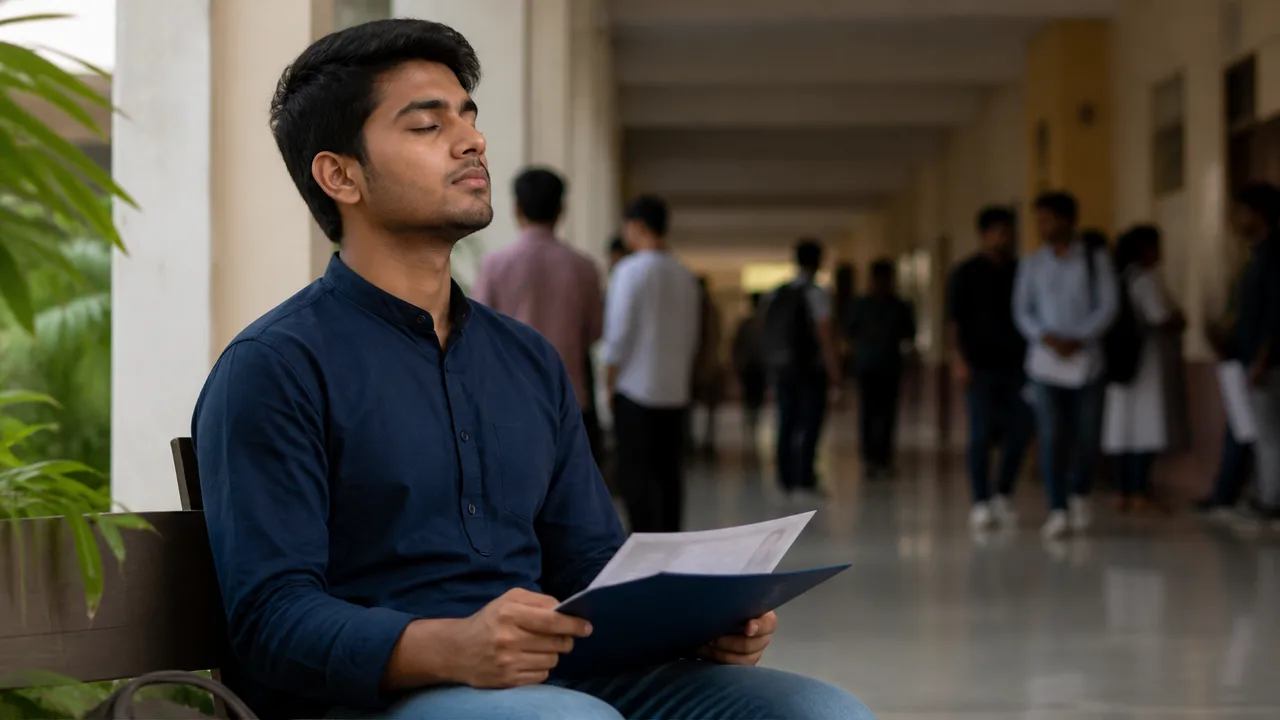
Telling someone to "just stay calm" on exam day is not advice, it is a wish. The more useful question is what is actually causing the anxiety, because most of it traces back to unfamiliarity rather than the questions themselves.
Familiarity is the real fix, not willpower
A lot of exam-day nerves come from facing something for the first time under real stakes: the interface, the on-screen timer counting down, the palette showing which questions you have attempted. If your first experience with a live countdown timer is on exam day itself, some of that anxiety is simply your brain reacting to something genuinely new. Taking full-length mock tests under real timed conditions well before the actual exam removes a big chunk of that unfamiliarity, because by exam day the format itself is no longer a surprise.
- Most exam-day anxiety comes from unfamiliarity with the format, not the difficulty of the questions.
- Taking timed mock tests beforehand removes a large part of that unfamiliarity before it matters.
- Sleep the night before affects working memory and speed more than one extra hour of revision does.
- A slow, deliberate first minute reading the instructions calms most people down faster than rushing straight into question one.
Sleep beats one more hour of revision
Cramming until late the night before an exam trades sleep for marginal content review, and that trade rarely pays off. Working memory and processing speed both drop noticeably on poor sleep, which affects your entire performance, not just recall of the one extra topic you crammed. If you are choosing between an extra hour of revision and an extra hour of sleep the night before, sleep is very often the better trade.
If your first experience with a live countdown timer is on exam day itself, some of your anxiety is simply your brain reacting to something genuinely new.
The first minute in the exam hall matters more than people think
Rushing straight into question one while still mentally settling in tends to produce careless mistakes early, which then compounds the anxiety further. Spending the first minute deliberately reading the instructions, noting the section order, and taking one slow breath resets your pace before the clock pressure fully kicks in. See time management tips for the exam hall for what to do with your pacing once you are past that first minute.
Reframe the physical symptoms
A racing heart and slightly sweaty palms right before an exam are physically almost identical to excitement, not just fear. Naming that feeling as excitement, rather than fighting it, gives your body nothing new to do and leaves the physical response where it already was. It costs nothing to try on exam day.
Put the strategy into practice
Choose a checked mock test and apply what you learned while the idea is fresh.
Frequently asked questions
What actually causes exam-day anxiety?
Most of it comes from unfamiliarity with the exam format itself, the countdown timer, the interface, the question palette, rather than the difficulty of the questions. Taking timed mock tests beforehand removes a large part of that unfamiliarity before exam day.
Should I do one more hour of revision or sleep the night before an exam?
Sleep is usually the better trade. Poor sleep measurably reduces working memory and processing speed, which affects your entire performance, not just recall of the one extra topic crammed the night before.
What should I do in the first minute after the exam starts?
Spend it reading the instructions and noting the section order rather than rushing straight into question one. Rushing while still mentally settling in tends to cause early careless mistakes that then add to the anxiety.
Does taking mock tests actually help with exam-day nerves?
Yes. A large part of exam-day anxiety comes from facing the timed format for the first time under real stakes, and mock tests remove that first-time unfamiliarity well before it matters.